

Table of contents
CAN A ROOM BE SOUNDPROOFED?How to soundproof a room: the wallsInstall acoustic panellingThe windowsUse decoration to helpHow to soundproof a room: ceilingsWant to know the different options for soundproofing a room? We tell you all about it in this article!
Living in a residential community means, most of the time, having to put up with sounds that, once they reach certain levels, can affect our peace of mind, our sleep and even our mood. Whether it's the noise that seeps in from the street if we live in very busy urban areas, or the noise that comes through our walls from neighbouring homes.
In most cases, closing doors and windows isn't enough. That's when soundproofing a space, which can be done simply, becomes the best option.
At Payresa we explain how to soundproof a room so you can get back the silence and rest you need. If you're interested, keep reading!
CAN A ROOM BE SOUNDPROOFED?
Yes, a room can be soundproofed, although the result will depend on the type of noise and the level of insulation being sought. To reduce airborne sound (voices, traffic), the most effective approach is to reinforce walls, ceiling and floor with insulating materials such as mineral wool, acoustic panels or double-partition systems. It's also key to seal gaps in doors and windows, since any opening lets noise through. In the case of vibrations (footsteps, impacts), impact-reducing solutions such as floating floors are used. With good planning, it's possible to achieve noticeable acoustic comfort.
How to soundproof a room: the walls
Install acoustic panelling
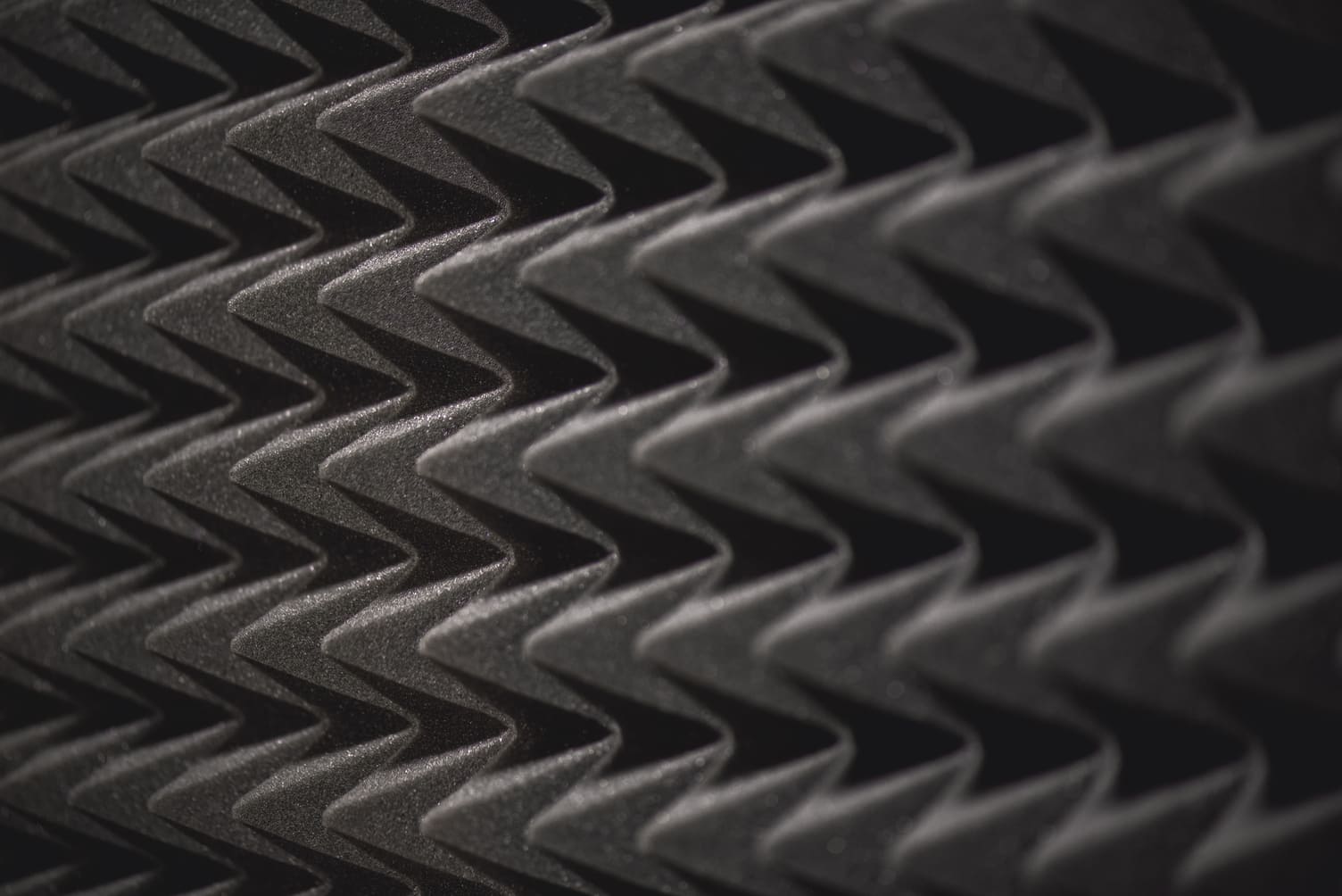
The most effective option for insulating a room is acoustic panelling, preventing noise from outside getting in or sounds generated inside the room from passing through the walls and affecting other neighbours (as, for example, in a music studio).
There are different models of acoustic panelling, such as the ones we work with, which are very simple to install and require no building work. The most common for insulation are:
- Fibre-gypsum panels. Made from a mix of gypsum and cellulose, these sheets have high resistance to fire, impact and moisture, as well as great acoustic insulation power.
- Foam panels. These are easy to install (they usually come with their own adhesive). They are great acoustic and thermal insulators.
- Polyurethane panels. Lightweight, affordable panels that are very easy to fit. Polyurethane is one of the most powerful insulators.
The windows
If your windows don't have acoustic insulation, at least make sure they have no gaps that noise could get through. You can use sealant or specialised adhesives to seal them.
Fitting weatherstripping will also help improve the seal and reduce the amount of noise that can get in.
Use decoration to help
If we want to find out how to soundproof a room, we should know there are other alternatives, although less effective, that can also help us. This is how decoration can help:
- Rugs. Placing thick-fabric rugs will make them absorb part of the sound so it doesn't spread through the room or come up through the floor.
- Bookshelves. Placing bookshelves full of books against a wall will create a thick barrier that's hard for noise to get through.
- Curtains. Fitting thick-fabric curtains on the windows will also act as a screen and absorb noise coming from outside.
- Wood. Wood is an excellent acoustic insulator and will be of great help in soundproofing a room. From covering the walls with this material, to adding wooden furniture that acts as insulation.
How to soundproof a room: ceilings
The ceiling is another point in a room through which a lot of noise gets in, such as the annoying footsteps of the neighbours above or furniture and chairs being dragged. This is when we can turn to installing acoustic ceilings.
At Payresa we work with wooden ceilings, since they bring together all the right properties: from the great visual appeal the material offers, to its warmth, durability and great power as a thermal and acoustic insulator.
They also act as a fire protection system. Their high resistance, especially against mould and moisture, makes them very easy to maintain.
We hope this article has helped you learn how to soundproof a room. If you'd like quality products and insulation, get in touch with us! We'll be happy to advise you on anything you need.