

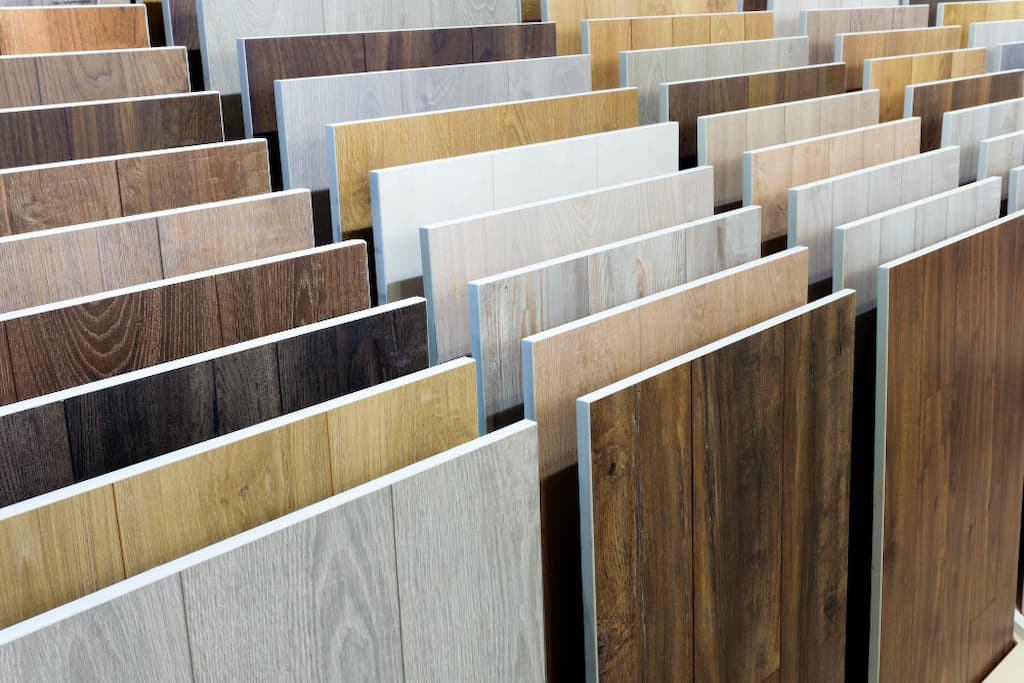
The eternal question when renovating or refreshing a room: Which is cheaper, laminate or vinyl flooring? Although at first glance both may seem similar, there are important differences in price, characteristics and durability that you should take into account before making a decision.
To get straight to the point: vinyl flooring usually has a slightly more affordable base price, especially in self-adhesive or roll versions. However, laminate flooring offers a better value for money in the long run, especially if we are looking for aesthetics, resistance and durability.
Of course, this is not an absolute rule. It all depends on the type of flooring, its installation, the quality of the material and, of course, the use you're going to give it. That's why we're going to analyze it all: from its characteristics, to the price per square meter and the ideal scenarios for each type of flooring.
Table of contents
Characteristics of laminate flooringTypes and qualitiesAdvantages and disadvantagesRecommended usesCharacteristics of vinyl flooringComposition and typesAdvantages and disadvantagesIdeal environments for its usePrice comparison: laminate vs vinyl flooringPrice per square meterInstallation costsMaintenance and lifespanPractical comparison: Which one to choose according to the type of home or use?Renovations in small apartmentsHomes with children or petsCommercial premises or humid areasConclusion: Which flooring is best suited to your budget and needs?Characteristics of laminate flooringThe laminate flooring is made up of several layers, including a base of wood fibers (HDF) and a decorative sheet with the appearance of natural wood. It is a very popular option for its elegant finish and competitive price.
Types and qualities
Laminate flooring is classified by its resistance according to the AC (Abrasion Criteria) standard, which ranges from AC3 (light domestic use) to AC6 (intense commercial use). There are also differences in thickness: from 6 mm to 12 mm, influencing both resistance and the feel underfoot.
Advantages and disadvantages
Advantages:
- Realistic wood appearance.
- Quick installation via click system (no adhesives).
- Good resistance to impacts and scratches.
- Simple maintenance (vacuum and well-wrung mop).
Disadvantages:
- Not recommended for humid areas (kitchen or bathroom).
- Some models can sound hollow if the insulating underlay is not installed properly.
- If damaged, it is difficult to repair just one part (although the plank can be replaced).
Recommended uses
Laminate flooring is ideal for:
- Living rooms, bedrooms and hallways.
- Family homes.
- Spaces where aesthetics and durability are sought.
Characteristics of vinyl flooring
Vinyl flooring (also called PVC or LVT) is a plastic covering made up of several layers of vinyl, which gives it great water resistance, elasticity and acoustic insulation.
Composition and types
It comes in several formats:
- In click planks or tiles, easy to install.
- In rolls, more economical but with a more complex installation.
- Self-adhesive, ideal for quick renovations.
Advantages and disadvantages
Advantages:
- Fully resistant to humidity (ideal for bathrooms and kitchens).
- Very quiet and pleasant underfoot.
- Installation over existing flooring (in most cases).
- Easy cleaning and maintenance.
Disadvantages:
- In lower qualities, it scratches easily.
- Feels somewhat less warm than laminate.
- Can fade in the sun if it doesn't have UV protection.
Ideal environments for its use
Vinyl flooring is perfect for:
- Kitchens, bathrooms and humid areas.
- Quick renovations without removing the previous flooring.
- Homes with pets due to its water resistance.
Price comparison: laminate vs vinyl flooring
We come to the most decisive point: Which is cheaper, laminate or vinyl flooring?.
Price per square meter
Laminate flooring:
- Low range: €6/m²
- Mid range: €10-15/m²
- High range: up to €30/m²
Vinyl flooring:
- In rolls: from €4/m²
- Self-adhesive: between €6-10/m²
- High-end click: €15-25/m²
In general, the cheapest models tend to be vinyl, especially in rolls or self-adhesive. But if we compare medium-high qualities, laminate flooring offers more durability for the same price.
Installation costs
Both types of flooring are suitable for DIY installation (do it yourself). Laminate requires more precision due to the click system, but vinyl also has its trick for hiding the seams.
Professional installers charge between €8 and €12/m², although it can vary depending on the city.
Maintenance and lifespan
- Quality laminate: up to 20 years if well maintained.
- Vinyl: lifespan between 10 and 15 years, although in humid areas it can last longer than laminate.
Practical comparison: Which one to choose according to the type of home or use?
Renovations in small apartments
If the budget is very tight and you're looking for a quick renovation, self-adhesive vinyl flooring can be a perfect solution. It's economical, easy to install and doesn't require construction work.
Homes with children or pets
Both types of flooring hold up well to daily use, but if we're talking about water resistance and cleaning, vinyl has the edge. If you prioritize design and aesthetics, laminate scores points.
Commercial premises or humid areas
In this case, high-resistance click vinyl flooring (LVT) is the best option: it withstands traffic, humidity and temperature changes. In addition, some models have anti-slip and acoustic certifications.
Conclusion: Which flooring is best suited to your budget and needs?
The definitive answer is: it depends. But here's a quick guide based on what you're looking for:
Both types of flooring are excellent economical options compared to natural wood or porcelain tile. The key is knowing which one best suits your lifestyle, budget and type of home.
If you liked this article, you'll be interested in reading: “What is the best flooring for a house with humidity?“
Rate our article on: “Which is cheaper: laminate or vinyl flooring?“
Contact us with no obligation for a personalized quote tailored to your needs or to resolve any other questions you may have.