

When we think about renovating or installing kitchen flooring, one of the most common dilemmas is deciding between vinyl or laminate floorboards. Both options offer benefits and some considerations to bear in mind, but which is the best choice for your home? In this article, Payresa compares the characteristics of both types of flooring, their advantages, disadvantages and which one best suits your kitchen's needs.
What is vinyl flooring?
Vinyl flooring is a type of flooring made from PVC, a synthetic material that mimics the look of wood or stone. Vinyl floors are made up of several layers including a water-resistant wear layer, which makes them an ideal option for damp areas like the kitchen.
When it comes to the vinyl flooring in Málaga, it's an increasingly popular option thanks to its resistance and ease of maintenance. This type of flooring comes in different styles, colours and textures, allowing it to fit in with any type of decor.
What is laminate flooring?
Laminate flooring, on the other hand, is made up of several layers. The top layer is a melamine sheet printed with a wood or stone image, while the base is made of dense wood fibre board. Unlike vinyl floorboards, laminate flooring is not fully waterproof, although it is resistant to stains and scratches.
Flooring installation in Málaga has seen rising demand for this type of material thanks to its look and durability. However, when choosing between vinyl or laminate floorboards, it's important to consider the advantages and disadvantages of each, especially in settings like the kitchen.
Advantages of vinyl floorboards for the kitchen
1. Water resistance
Vinyl floorboards stand out mainly for their water resistance, which makes them an excellent option for the kitchen, an area prone to spills and moisture. The waterproof layer of this type of flooring stops water from soaking in, helping prevent damage or warping.
2. Variety of designs
Vinyl flooring offers a wide variety of styles, colours and textures. You can find options that perfectly mimic natural wood, stone or concrete, adapting to any type of kitchen, whether modern, rustic or classic. This makes it a versatile option for any type of decor.
3. Comfort and ease of maintenance
Vinyl floorboards are very comfortable to walk on, offering a soft surface underfoot. They're also easy to clean, requiring only sweeping and mopping with water. This makes maintenance easier in a kitchen, where spills are inevitable.
4. Quick and simple installation
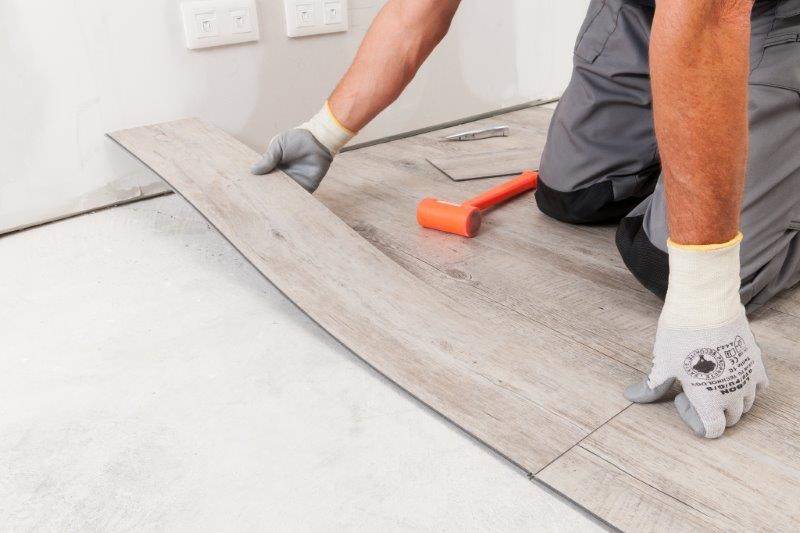
The flooring installation in Málaga of vinyl floorboards is quick and doesn't require a complex process. What's more, many vinyl floors come with click-type installation systems, removing the need for adhesives or glue.
Disadvantages of vinyl floorboards
1. Sensitivity to heat
Despite its water resistance, vinyl flooring can be sensitive to extreme heat. If hot objects like pans or pots are placed directly on the floor, it can deteriorate over time.
2. Less durable than other materials
Although vinyl floorboards are fairly resistant, they're not as durable as some other materials such as ceramic or granite. In the event of severe impacts or scratches, the floor may become damaged over time.
Advantages of laminate floorboards for the kitchen
1. Look similar to natural wood
The main advantage of laminate floorboards is their appearance. If you want a floor that mimics natural wood but without the high cost of solid wood, laminate floorboards are an excellent option. Their surface finish and the variety of designs available give the kitchen an elegant, warm look.
2. Resistance to scratches and stains
The melamine top layer of laminate floorboards is very resistant to scratches and stains, making it an ideal option for high-traffic areas such as the kitchen. Although it isn't fully waterproof like vinyl, its resistance to spills and stains is considerable.
3. Durability and resistance
Laminate flooring is a very durable material, resistant to abrasion. Although it isn't fully waterproof, its lifespan can be quite long if properly cared for, making it a reliable option in the long run.
Disadvantages of laminate floorboards
1. Not water-resistant
The main drawback of laminate flooring in the kitchen is its lower resistance to water. Although some models may offer slight protection against moisture, if exposed to large amounts of water, it could swell or warp.
2. More complicated installation
The flooring installation in Málaga of laminate floorboards can be more complex than that of vinyl flooring. In many cases, adhesives or glue are required to ensure proper installation.
Which should you choose for the kitchen?
When choosing between vinyl floorboards or laminate floorboards for your kitchen, it's essential to consider factors such as water resistance, ease of installation, maintenance and appearance.
If you're looking for a floor that withstands moisture and frequent water spills, vinyl floorboards are probably the best option. Their waterproofing, ease of maintenance and quick installation make this material an ideal choice for modern kitchens.
On the other hand, if you prefer a warmer, more natural wood look, laminate floorboards can be an excellent choice, as long as you don't mind taking extra precautions regarding moisture.
In short, if you live in an area like Málaga, where kitchens are subject to intensive use and temperature changes, vinyl floorboards could be the most practical and resistant option. However, if you prefer the look of wood and are willing to do a bit more maintenance, laminate floorboards remain an excellent alternative. As a company specialising in parquet in Málaga, at Payresa we offer the best tailored solutions.
Contact us with no obligation for a personalised quote tailored to your needs, or to resolve any other question you may have.